
LEARN · BIRTHSTONES
Twelve months.
Three thousand years of stories.
How a priest's breastplate, a jewelers' convention in Kansas City and a gem from the foothills of Kilimanjaro shaped the stone you were born under.
- Antiquity
The Breastplate
Exodus 28 describes twelve stones set in the High Priest's breastplate, one for each tribe of Israel 26.
- 1st century CE
Josephus
The historian Josephus wrote that the twelve stones could be understood as the months, or the twelve signs of the zodiac 26.
- 1st century CE
Twelve Foundations
Revelation 21 lists twelve foundation stones of the heavenly city; later writers tied them to the months 26.
- 18th century
One stone, one month
Kunz suggested the custom of wearing a single stone for one's birth month “appears” to have begun in Poland in the 1700s, while noting a competing account 26.
- 1912
Kansas City
The American National Retail Jewelers Association, today Jewelers of America, adopted the first standard list 24, 26.
- 1952
A revision
The list was updated in 1952, as Jewelers of America recounts 32. Exactly which stones changed is still being confirmed.
- 2002
Tanzanite
On October 30, 2002, the American Gem Trade Association announced tanzanite as a December birthstone 33, 23.
- 2016
Spinel
On June 2, 2016, AGTA and Jewelers of America announced that spinel would join August 32, 25.
From the ancient sources
“…the months, or the twelve signs of what the Greeks call the zodiac.”
Josephus, on the twelve stones of the High Priest’s breastplate, as quoted by Kunz 26
Find yours
Your month. Your stone. Your story.
Every month of the year has a gem of its own. Some are as old as the mountains they came from, some were discovered within living memory, and every one of them has a story worth carrying.
| Month | Traditional (1912 primary) | Modern | Metaphysical |
|---|---|---|---|
| January | Garnet | Garnet | |
| February | Amethyst | Amethyst | |
| March | Bloodstone | Aquamarine, Bloodstone | |
| April | Diamond | Diamond | |
| May | Emerald | Emerald | |
| June | Pearl | Pearl, Moonstone, Alexandrite | |
| July | Ruby | Ruby | |
| August | Sardonyx | Peridot, Spinel, Sardonyx | |
| September | Sapphire | Sapphire | |
| October | Opal | Opal, Tourmaline | |
| November | Topaz | Imperial Topaz ★, Citrine | |
| December | Turquoise | Turquoise, Tanzanite, Zircon, Blue Topaz ★ |
Jews · Romans · Isidore of Seville · Arabians · Poles · Russians · Italians
12 Months. Many Charts.
Kunz compared the stones each people gave to each month, and they rarely agreed 26.
Every tradition, side by side
One month, many stones.
There has never been a single birthstone list. Here are the major ones, with where each comes from and how sure we can be.
| Month | Historical 15th–20th c. | U.S. 1912 | U.K. (NAG list, archived 2013) | Mystical | Ayurvedic |
|---|---|---|---|---|---|
| January | Garnet | Garnet | Garnet | ||
| February | Amethyst, hyacinth, pearl | Amethyst | Amethyst | ||
| March | Bloodstone, jasper | Bloodstone, aquamarine | Aquamarine, bloodstone | ||
| April | Diamond, sapphire | Diamond | Diamond, rock crystal | ||
| May | Emerald, agate | Emerald | Emerald, chrysoprase | ||
| June | Cat's eye, turquoise, agate | Pearl, moonstone | Pearl, moonstone | ||
| July | Turquoise, onyx | Ruby | Ruby, cornelian | ||
| August | Sardonyx, carnelian, moonstone, topaz | Sardonyx, peridot | Peridot, sardonyx | ||
| September | Chrysolite | Sapphire | Sapphire, lapis lazuli | ||
| October | Opal, beryl | Opal, tourmaline | Opal | ||
| November | Topaz, pearl | Topaz | Topaz, citrine | ||
| December | Bloodstone, ruby | Turquoise, lapis lazuli | Tanzanite, turquoise |
Historical
Lists recorded from the 1400s to the early 1900s, grouped side by side by gem historian George F. Kunz. They show how the custom varied, not one fixed European standard. They often name several stones per month, because old gem names covered whole color families.
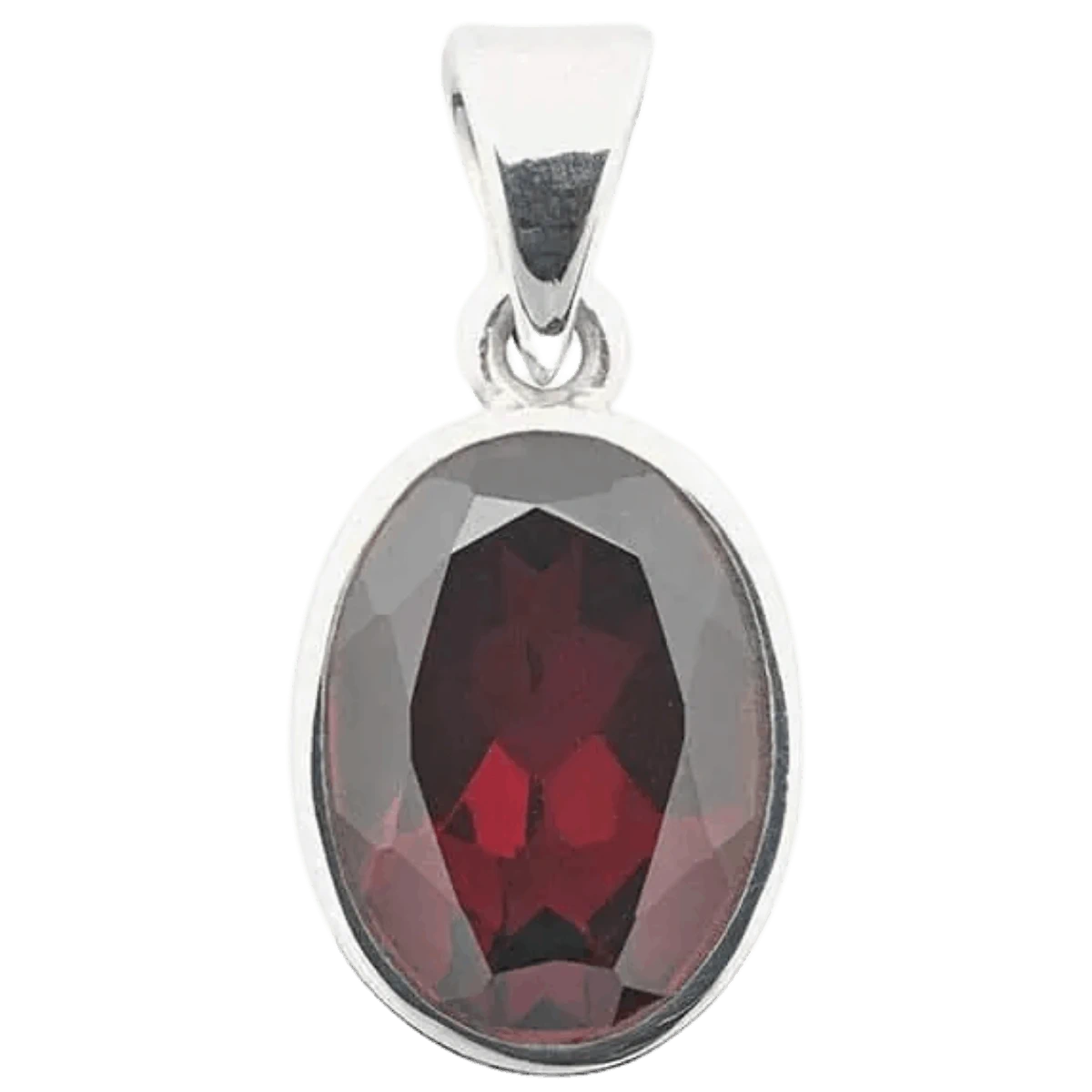
January
Garnet
February
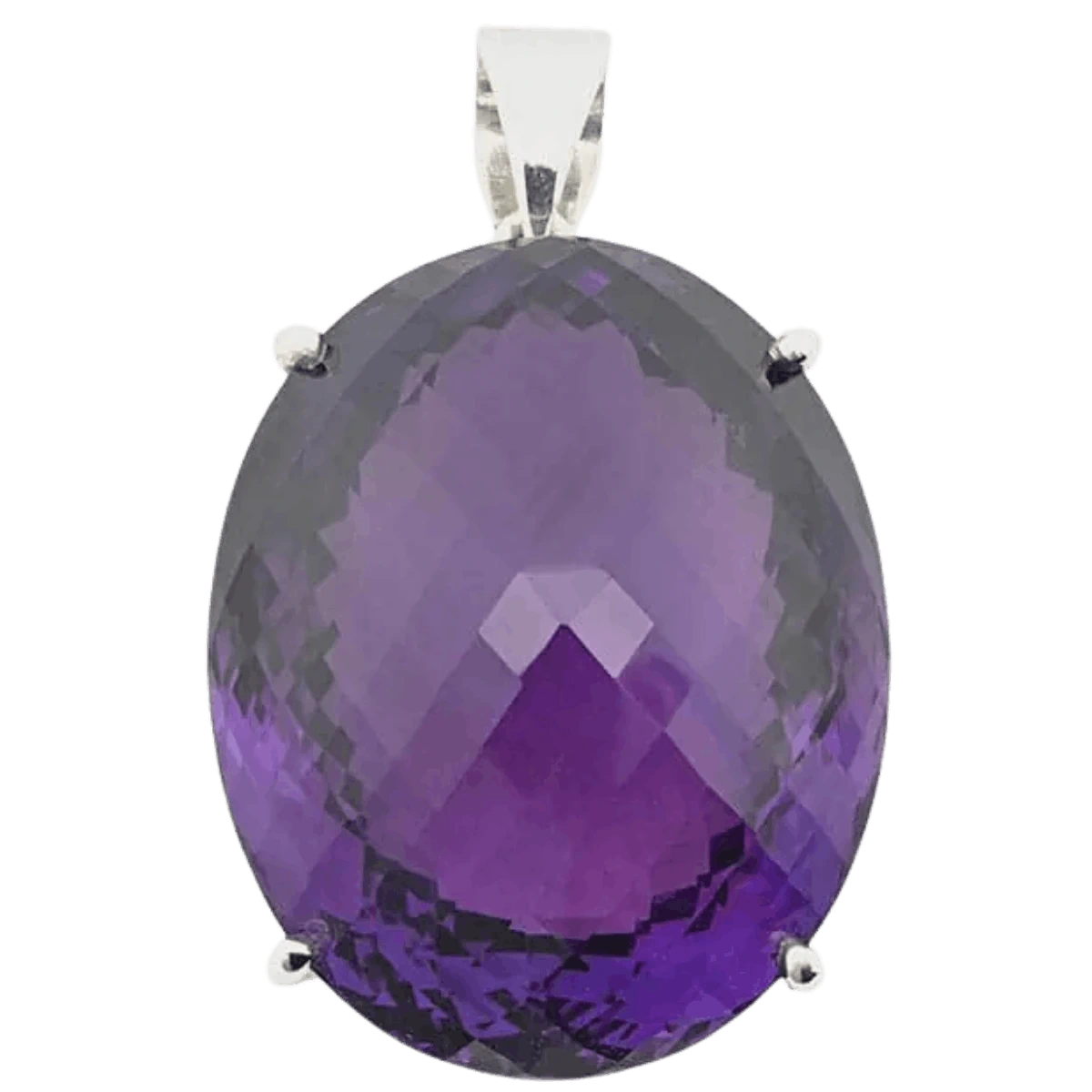
Amethyst
Amethyst is purple quartz. Its name comes from the ancient Greek belief that it kept the wearer sober; Kunz records the name as signifying the “sobering” gem 26. This is historical belief, not a claim about what the stone does. Barefoot Native's Sea of Amethyst wall is a love letter to this month.
- Hardness
- 7.
March
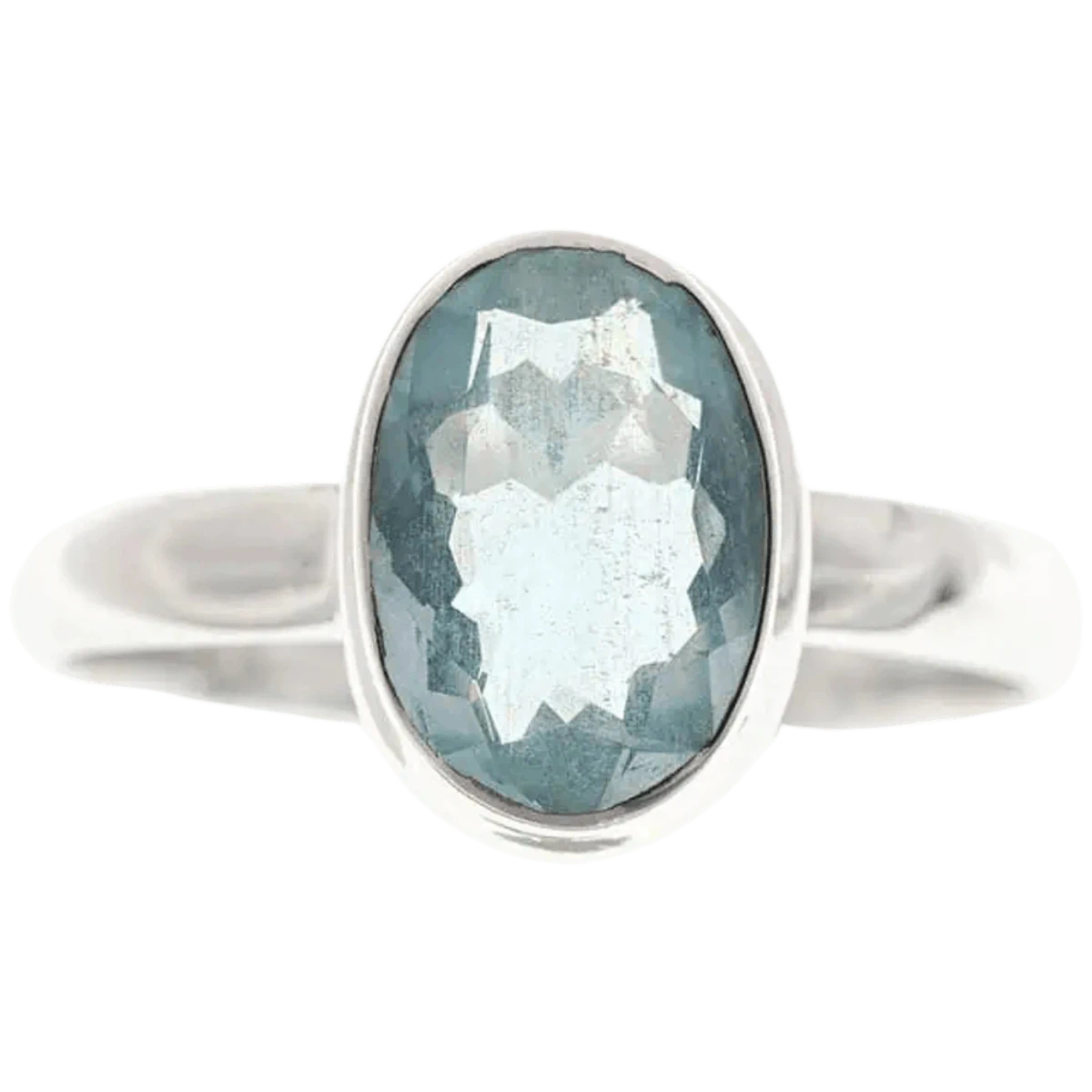
Aquamarine · Bloodstone
Aquamarine is the sea-blue variety of beryl, the same mineral as emerald. Bloodstone is a dark green chalcedony flecked with red, and it was March's stone on the 1912 list 26.
- Hardness
- Aquamarine 7.5–8.
April
Diamond
Pure carbon and the hardest natural substance. Hard is not unbreakable: diamond has cleavage, and a sharp knock can chip it 14.
- Hardness
- 10.
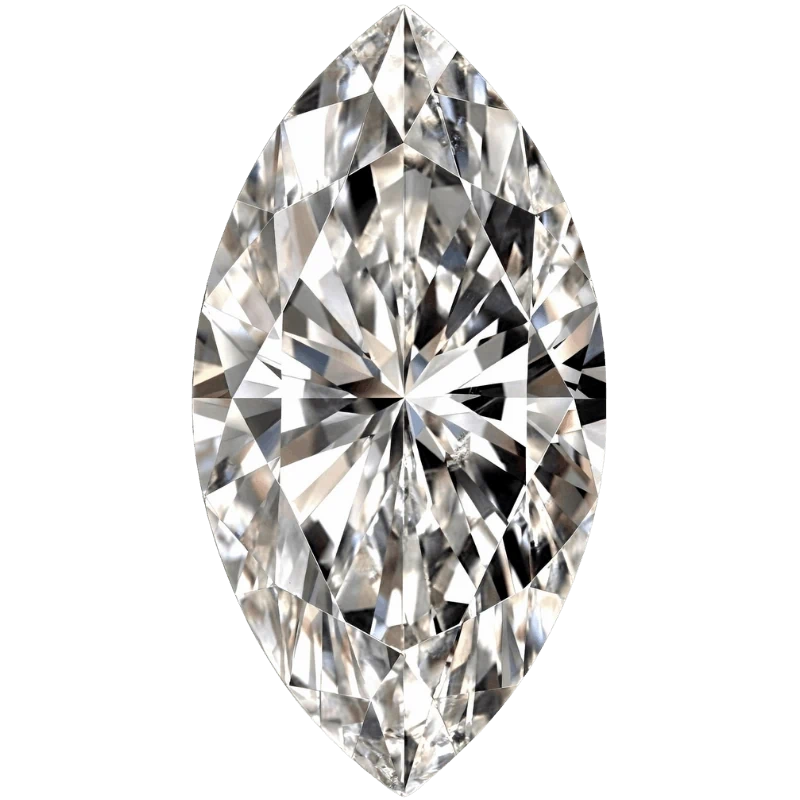
Diamond shown as a loose stone.
May
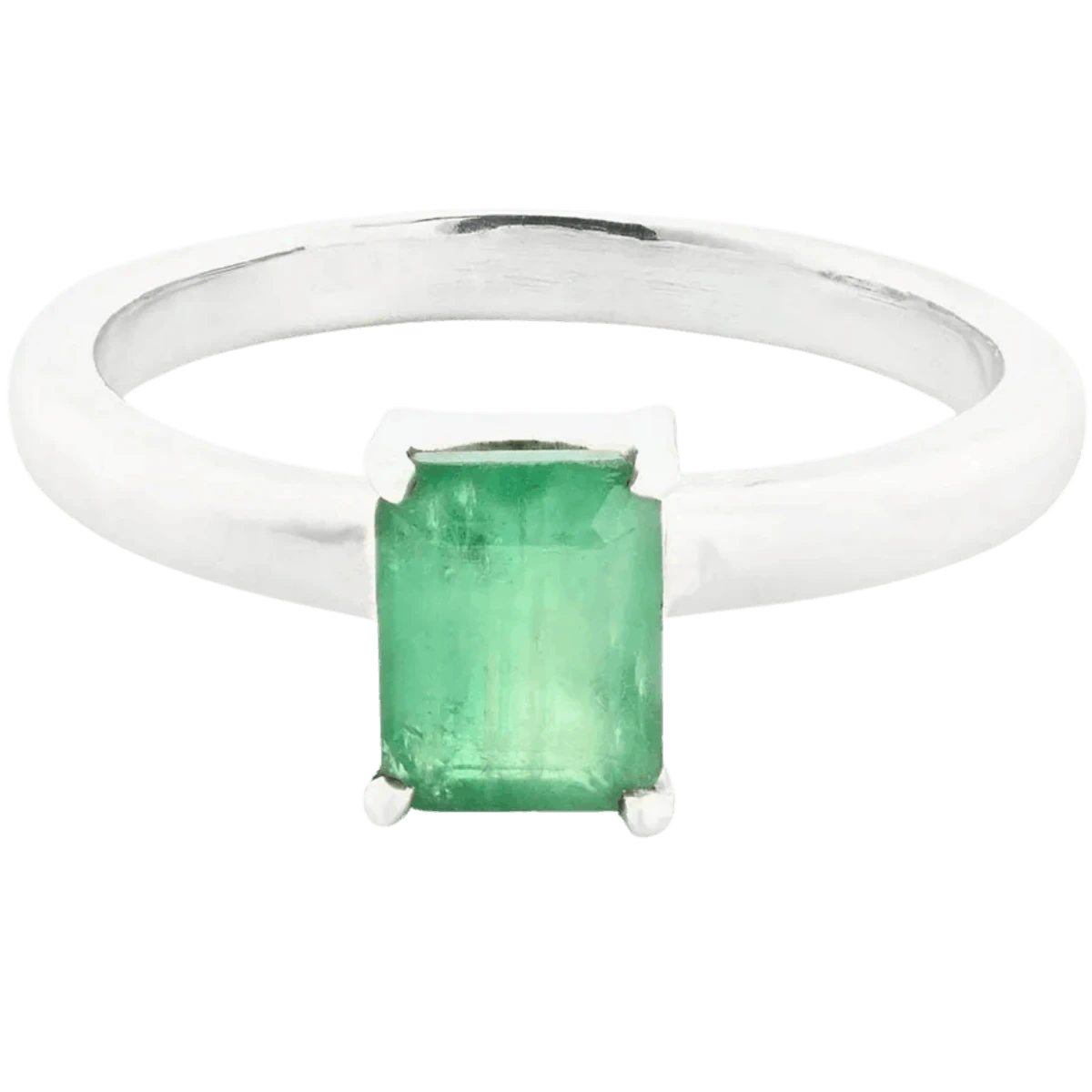
Emerald
June
Pearl · Moonstone · Alexandrite
Three very different gems. Pearl is organic, grown by a mollusk. Moonstone is a feldspar with a floating blue-white glow. Alexandrite is a chrysoberyl that looks green in daylight and red under incandescent light.
- Hardness
- Pearl 2.5–3.0 7: last on, first off.

Adjustable Pearl Bead Anklet in Sterling Silver.
July
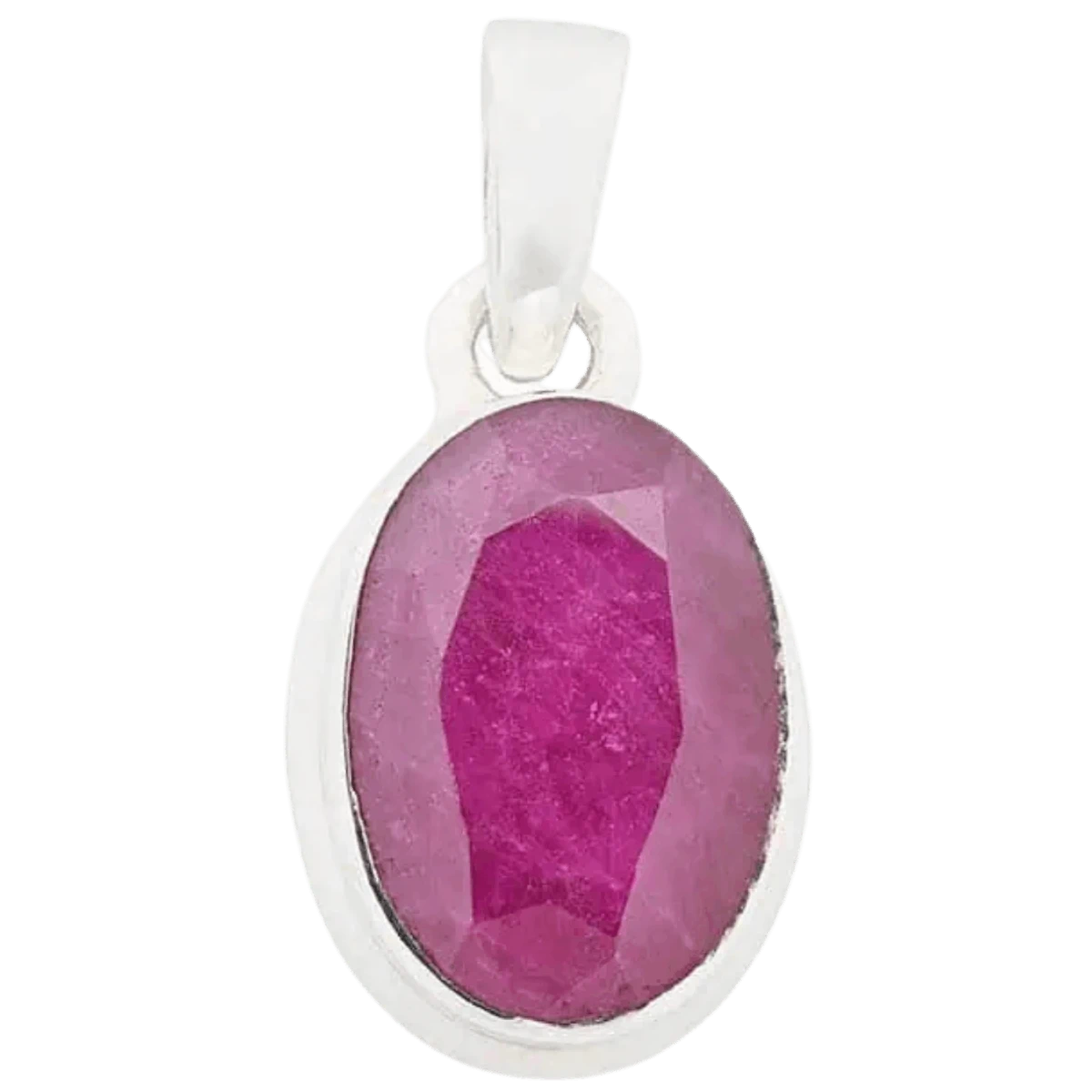
Ruby
Red corundum. Untreated and heat-treated rubies wear well every day, but some treated rubies (for example glass-filled stones) need gentler care, so ask how yours was treated 16.
- Hardness
- 9.
August
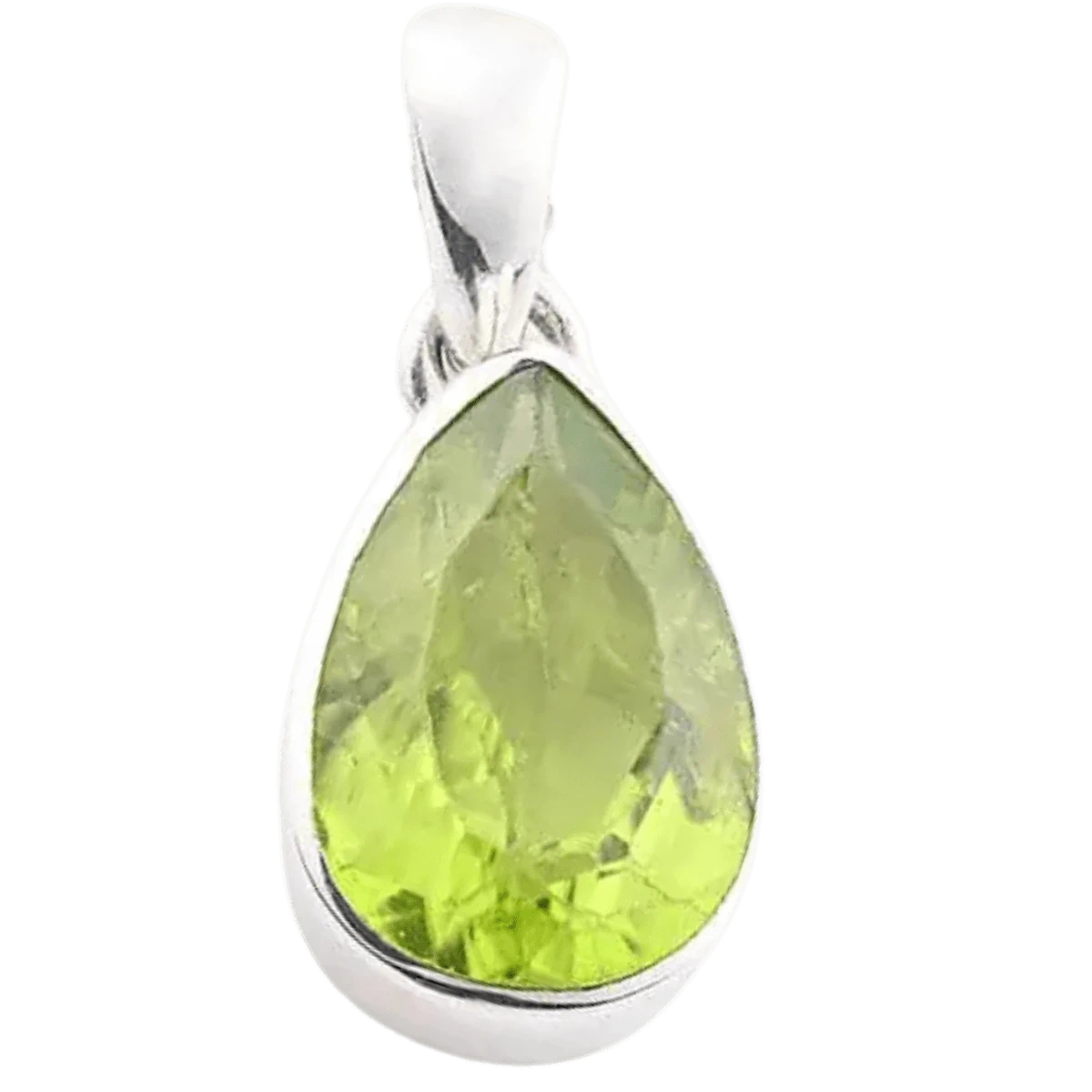
Peridot · Spinel · Sardonyx
Peridot is the gem variety of the mineral olivine 9; it forms deep in the Earth, and some has even arrived in meteorites 9. Spinel was added to August in 2016 25; for centuries some famous “rubies” were really red spinel, like the Black Prince's Ruby in the British Imperial State Crown 9. Sardonyx, banded chalcedony, also appears on GIA's August list 9.
- Hardness
- Peridot 6.5–7; spinel 8.
September
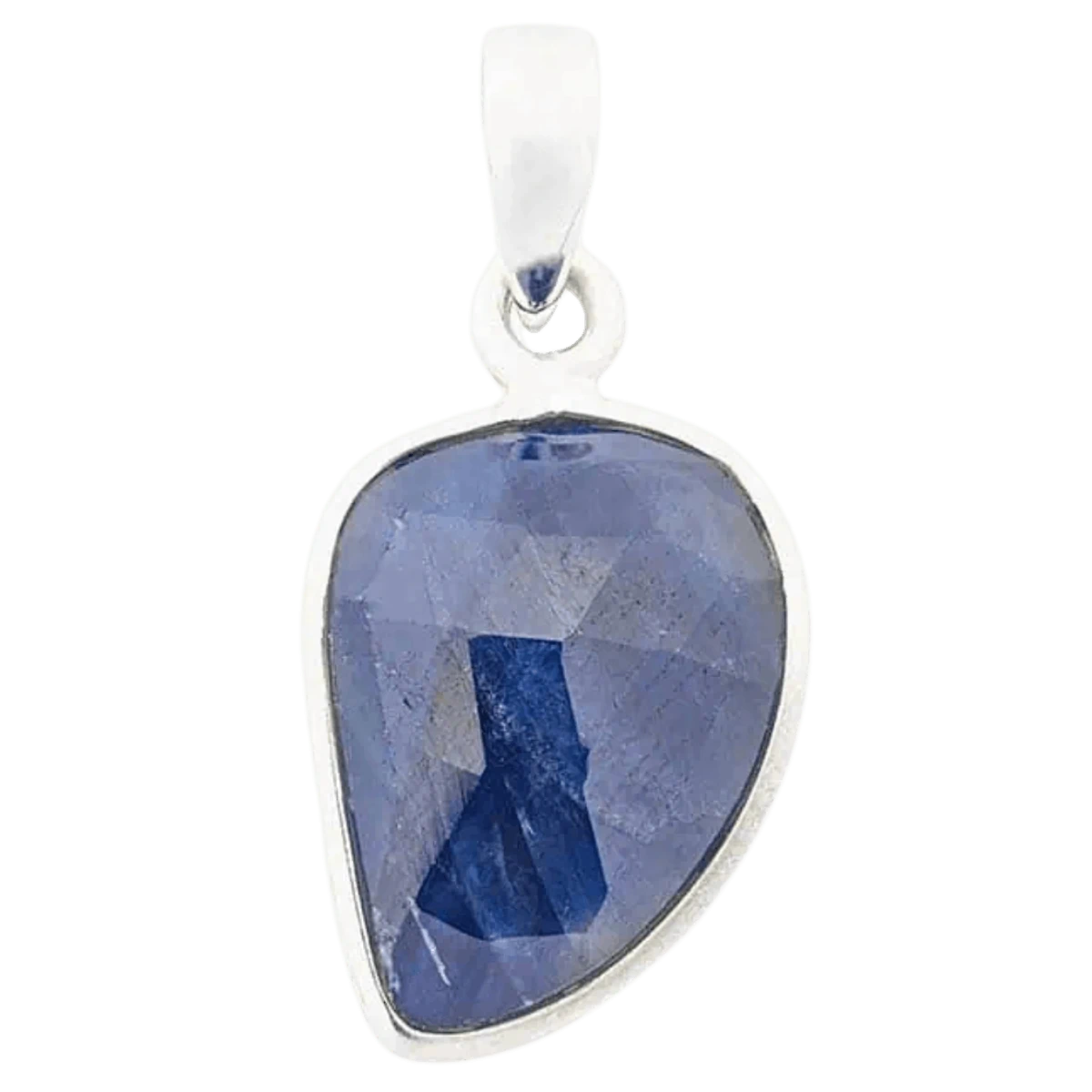
Sapphire
Corundum in every color except red (red corundum is ruby). Blue is classic; pink, yellow and parti-color sapphires are just as real.
- Hardness
- 9.
October
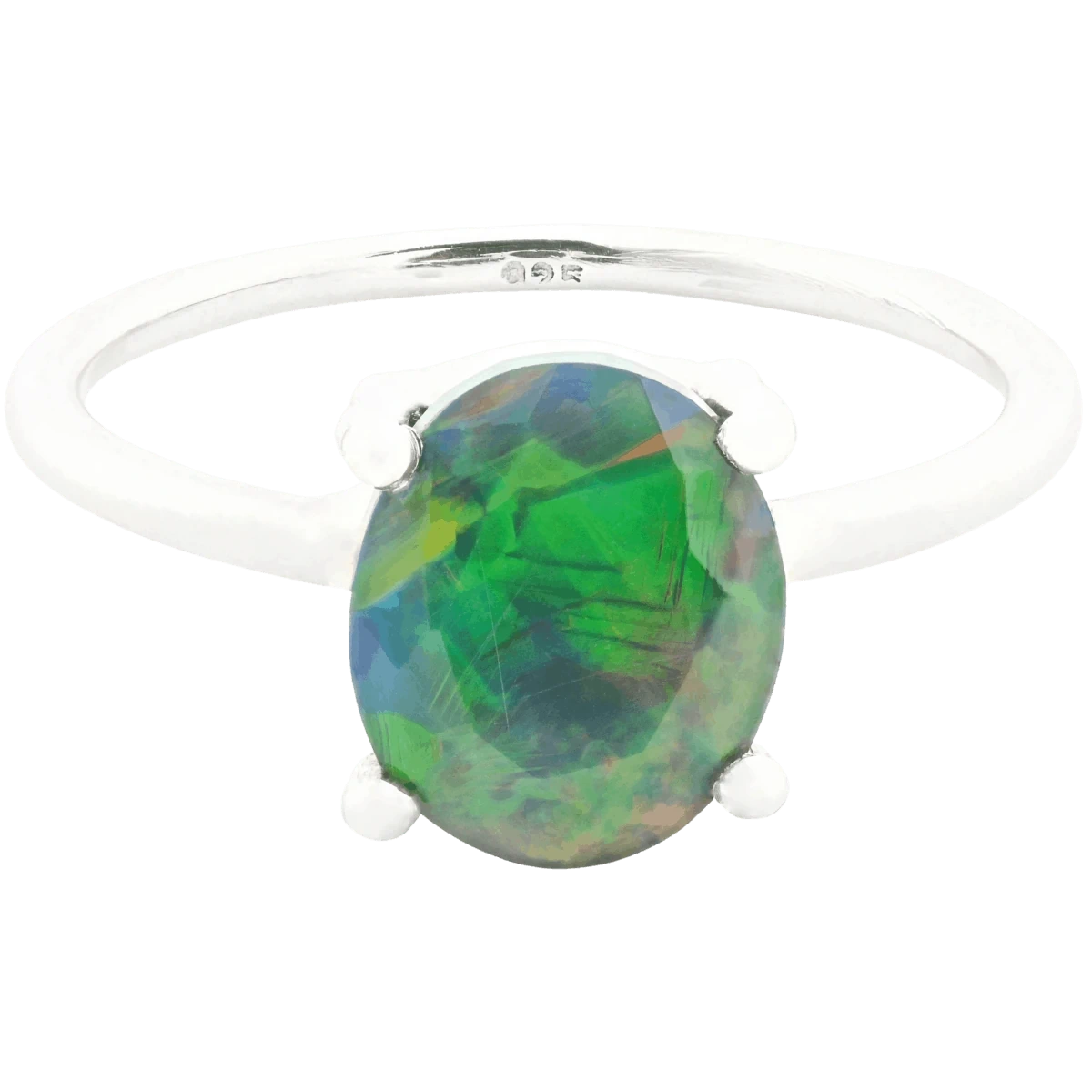
Opal · Tourmaline
November
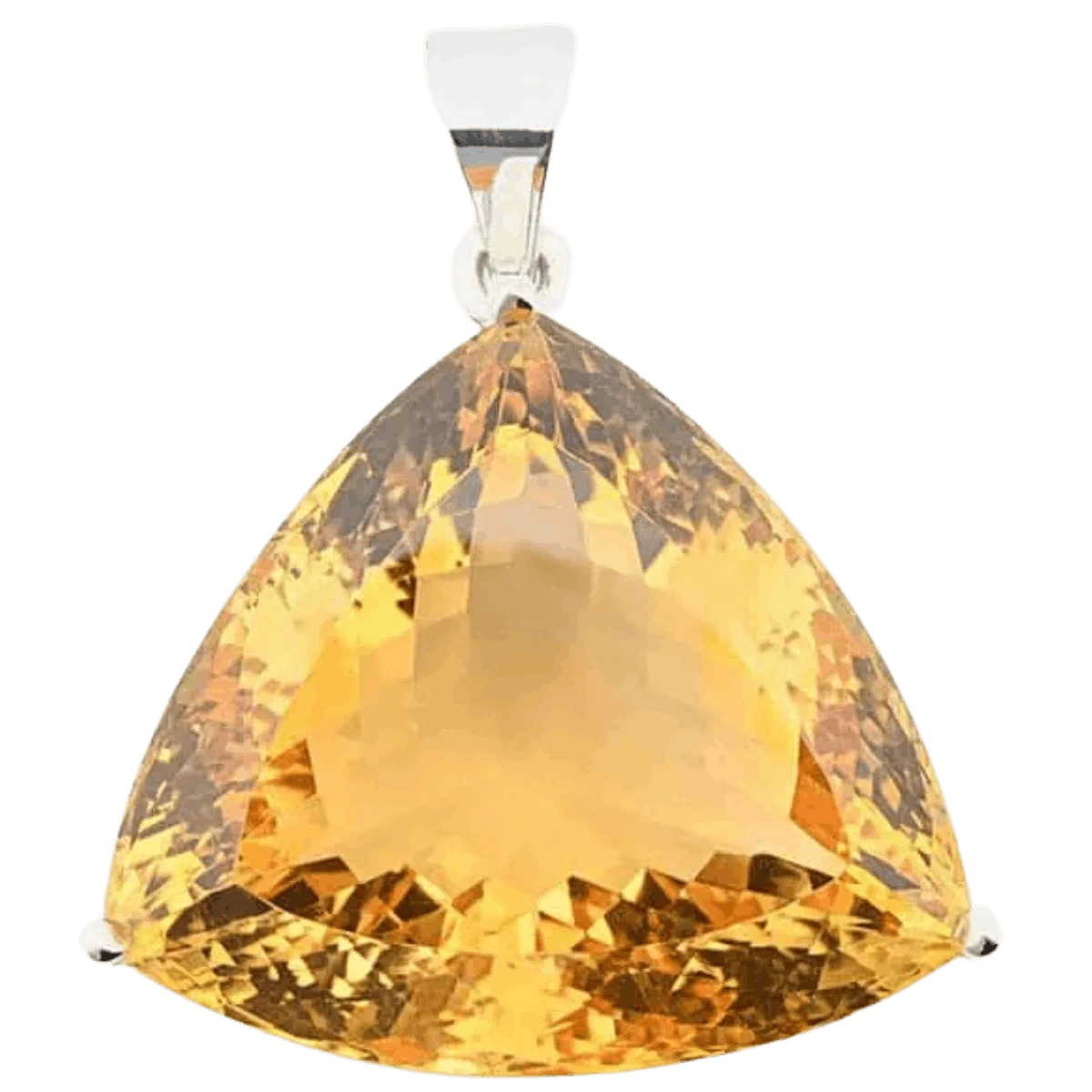
Topaz (Imperial ★) · Citrine
Imperial topaz is the rarest, most prized topaz: golden orange to pinkish orange. Many dealers reserve the name for stones that show a reddish pleochroic color, so not every golden topaz is sold as Imperial 18. Citrine is yellow to orange quartz; much citrine on the market results from heat-treating amethyst 12.
- Hardness
- Topaz 8, with basal cleavage: avoid hard knocks 17. Citrine 7.
December
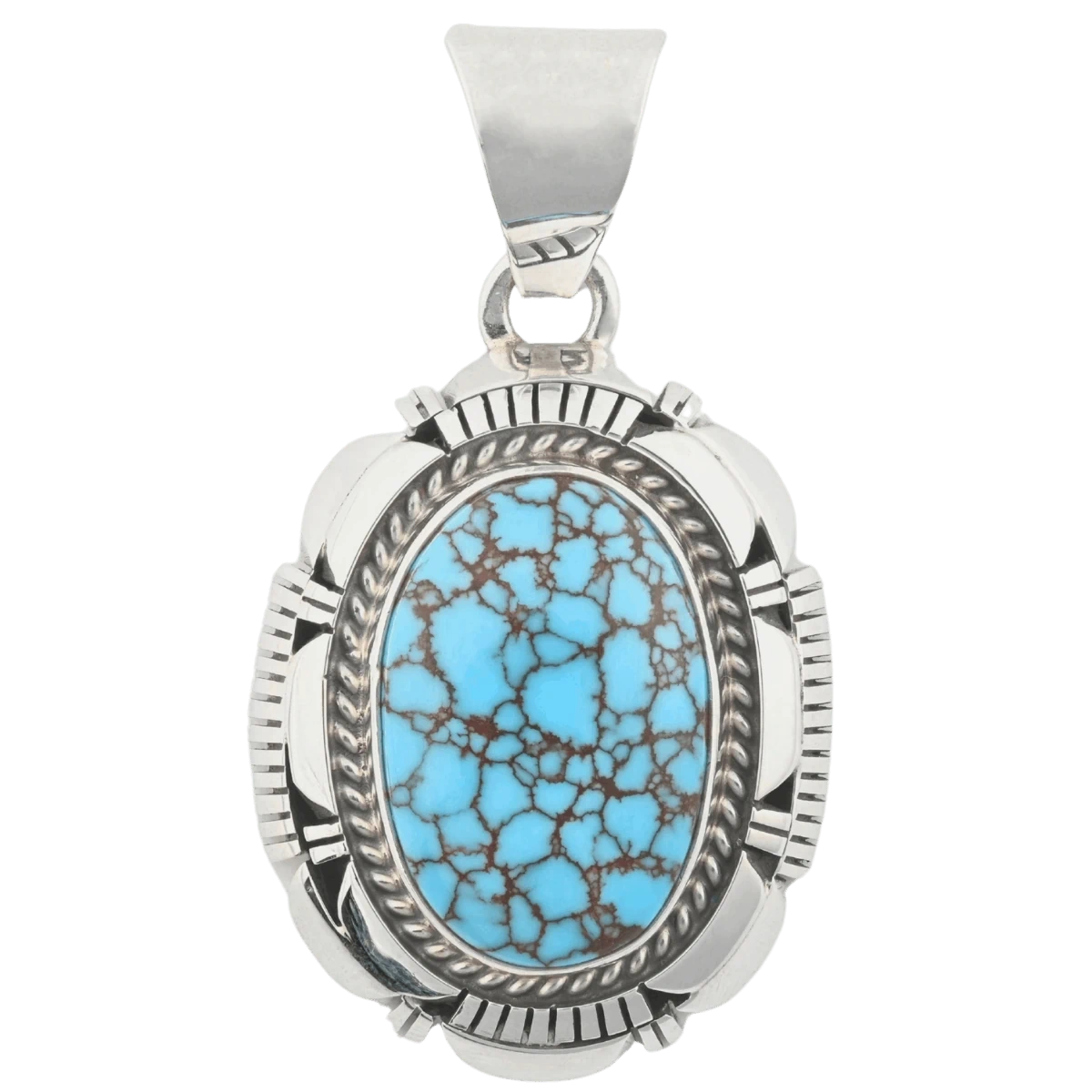
Turquoise · Tanzanite · Zircon · Blue Topaz ★
Turquoise is Barefoot Native's signature stone. It forms in dry regions where acidic, copper-rich groundwater seeps down through rock and reacts with other minerals 21, from the mines of the American Southwest to Iran. Tanzanite is violet-blue zoisite, commercially mined only in Tanzania; Gems & Gemology reported in Winter 2002 that it had been named the third birthstone for December 23. Zircon is a natural gem with brilliant fire; it is not cubic zirconia. Blue topaz ★ is Barefoot Native's December choice.
- Hardness
- Turquoise about 5–6, soft and porous.
Shop by birthstone
Wear your month.
JanuaryExplore the stones · Ask us to create oneFebruaryExplore the stones · Ask us to create oneMarchExplore the stones · Ask us to create oneAprilExplore the stones · Ask us to create oneMayExplore the stones · Ask us to create oneJuneExplore the stones · Ask us to create oneJulyExplore the stones · Ask us to create oneAugustExplore the stones · Ask us to create oneSeptemberExplore the stones · Ask us to create oneOctoberExplore the stones · Ask us to create oneNovemberExplore the stones · Ask us to create oneDecemberExplore the stones · Ask us to create oneChoosing and gifting
Every day
Ruby, sapphire, alexandrite and spinel take daily wear well. Ask about treatments.
Delicate beauties
Pearl, opal, turquoise and emerald shine in pendants, earrings and protective settings.
Let the stone choose
Unsure of their month or style? Take our Find Your Stone quiz.
Sources 39 references · tap to open
- GIA. Birthstones (index). www.gia.edu/birthstones
- GIA. January Birthstones. www.gia.edu/birthstones/january-birthstones
- GIA. February Birthstones. www.gia.edu/birthstones/february-birthstones
- GIA. March Birthstones. www.gia.edu/birthstones/march-birthstones
- GIA. April Birthstones. www.gia.edu/birthstones/april-birthstones
- GIA. May Birthstones. www.gia.edu/birthstones/may-birthstones
- GIA. June Birthstones. www.gia.edu/birthstones/june-birthstones
- GIA. July Birthstones. www.gia.edu/birthstones/july-birthstones
- GIA. August Birthstones. www.gia.edu/birthstones/august-birthstones
- GIA. September Birthstones. www.gia.edu/birthstones/september-birthstones
- GIA. October Birthstones. www.gia.edu/birthstones/october-birthstones
- GIA. November Birthstones. www.gia.edu/birthstones/november-birthstones
- GIA. December Birthstones. www.gia.edu/birthstones/december-birthstones
- GIA. Diamond Care and Cleaning (hardness, toughness, cleavage). www.gia.edu/diamond-care-cleaning
- GIA. Garnet Care and Cleaning. www.gia.edu/garnet-care-cleaning
- GIA. Ruby Care and Cleaning. www.gia.edu/ruby-care-cleaning
- GIA. Topaz Care and Cleaning. www.gia.edu/topaz-care-cleaning
- GIA. Topaz Quality Factors (Imperial topaz color). www.gia.edu/topaz-quality-factor
- GIA. Emerald Quality Factors (clarity and fillers). www.gia.edu/emerald-quality-factor
- GIA. Opal Description (play-of-color). www.gia.edu/opal-description
- GIA. Turquoise Description (formation). www.gia.edu/turquoise-description
- GIA. GIA Celebrates Birthstones (museum exhibit). www.gia.edu/gia-museum-exhibit-birthstones
- Gems & Gemology. Winter 2002, p. 378, “Birth of a birthstone”. www.gia.edu/dam/jcr:2b67bd00-93d3-4efc-87fd-c44c7256eff6/WN02.pdf
- Jewelers of America. Birthstones buying guide. www.jewelers.org/find-a-jeweler/buying-guides/birthstones/
- Jewelers of America. Spinel buying guide. www.jewelers.org/find-a-jeweler/buying-guides/gemstone-buying-guide/gemstones-a-z/spinel/
- George F. Kunz. The Curious Lore of Precious Stones (1913), pp. 275–276, 307–310, 315–317, 319–320, 371. www.gutenberg.org/ebooks/57978
- Bruce G. Knuth. Gems in Myth, Legend and Lore, revised ed. (2007). Further reading; pages still being verified, so no statement above relies on it. www.worldcat.org/search?q=Gems+in+Myth+Legend+and+Lore+Knuth
- Wikipedia. Birthstone (comparison table; used as a lead only, checked against Kunz). en.wikipedia.org/wiki/Birthstone
- Bernardine. Birthstones chart: modern, mystical, Ayurvedic and zodiac lists (trade publication). www.bernardine.com/gemstones/birthstones.htm
- Beads of Paradise NYC. Birthstones: modern, traditional, Tibetan, Ayurvedic and Hebrew lists (trade publication). beadsofparadisenyc.com/pages/birthstones
- George F. Kunz. Natal Stones: Sentiments and Superstitions Associated with Precious Stones (Tiffany & Co., 1909), reproduced by Pala International. www.palagems.com/natal-stones
- Jewelers of America. AGTA, JA to add spinel as official birthstone for August (press release, June 2, 2016; archived). web.archive.org/web/20160606162003id_/http://www.jewelers.org:80/ja/events-news/press-room/592-agta-ja-to-add-spinel-as-official-birthstone-august
- American Gem Trade Association. Tanzanite added as a December birthstone (press release, October 30, 2002; archived). web.archive.org/web/20030411130232id_/http://www.agta.org:80/consumer/news/20021030birthstone.htm
- American Federation of Mineralogical Societies. Future Rockhounds of America Badge Manual (rev. 2016), §13.2 Mystical Birthstones, PDF p. 184. cfmsinc.org/wp-content/uploads/2020/07/AFMS_FRA_Badge_Manual_Revised_2016.pdf
- National Association of Goldsmiths (UK). Birthstones list (archived July 15, 2013). web.archive.org/web/20130715233255id_/http://www.jewellers-online.org:80/pages/tips.php?id=2&idnew=2
- The Metropolitan Museum of Art. Navaratna object 15.95.22, description. www.metmuseum.org/art/collection/search/454027
- The Metropolitan Museum of Art. In the Stars: Gems and the Indian Tradition (Courtney Stewart). www.metmuseum.org/perspectives/in-the-stars-gems-and-the-indian-tradition
- Gemdat. Birthstones (alternate Ayurvedic sequence). www.gemdat.org/birthstones.php
- Pleasant Oaks Gem and Mineral Club of Dallas, TX. Newsletter, March 2015, p. 4, article by Don Shurtz. www.pogmc.org/newsletter/Mar15cc.pdf
Shared curiosity. Real connection.
Join Our Community Conversation
Share what caught your eye, ask a question, or tell us the story behind a piece you love.
Join the conversation →Help us keep knowledge free
Give a little wonder. Keep it growing.
Help us keep the Stone Library open to everyone. Support the research, photography and care that make a living reference possible.
One-time
A gift for the work you value.
Ask about one-time support →Monthly
A little support, growing every month.
Ask about monthly support →Yearly
A year of shared curiosity.
Ask about yearly support →VIP
Explore a deeper connection to the Stone Library.
Ask about vip support →Editorial collaboration
Help shape the guide
Our knowledge grows through shared curiosity.
Suggest an edit
Found an error or outdated information? Let us know.
Add information
Share additional insights, sources or references.
Share your experience
Personal stories enrich our community’s knowledge.
Contributors are credited. All suggestions are reviewed by our editorial team.